
Clinical placement access has tightened, leaving many programs scrambling for spots. You know the challenge: limited clinical training sites slow enrollment and strain preceptors. Academic health system partnerships offer a proven path to expand capacity—and you’ll see how coordinated preceptor onboarding and stipend processing clear the way. Keep reading to learn practical steps that can ease your workload and grow your clinical education capacity. Learn more about these partnerships.
Academic Health System Partnerships
Building robust partnerships between academic institutions and health systems is key to addressing clinical placement challenges. These collaborations can significantly improve access and enhance workforce development opportunities.
Expanding Clinical Placement Access
Forming partnerships with health systems can open doors to more clinical placement opportunities. When academic institutions and health systems collaborate, they create a larger pool of resources and sites for placements. This helps spread the demand for placements across multiple locations, reducing bottlenecks in high-demand areas. By sharing their resources, these partnerships can streamline the process and ensure that students have access to the clinical sites they need.
Enhancing Workforce Development
Partnerships not only increase placement access but also enhance workforce development. By working together, academic and health systems can provide students with real-world experience that prepares them for the workforce. This collaboration helps align educational programs with the needs of the industry, ensuring that students are learning relevant skills. Health systems can also identify potential future employees early, providing a seamless transition from student to professional.
Building Collaborative Opportunities
Collaboration between academic institutions and health systems offers numerous opportunities for both parties. For academic programs, partnerships can lead to increased enrollment and improved training quality. Health systems benefit from having a pipeline of well-prepared potential employees. These partnerships can also foster research collaborations, contributing to advancements in the healthcare field.
Coordinated Preceptor Support
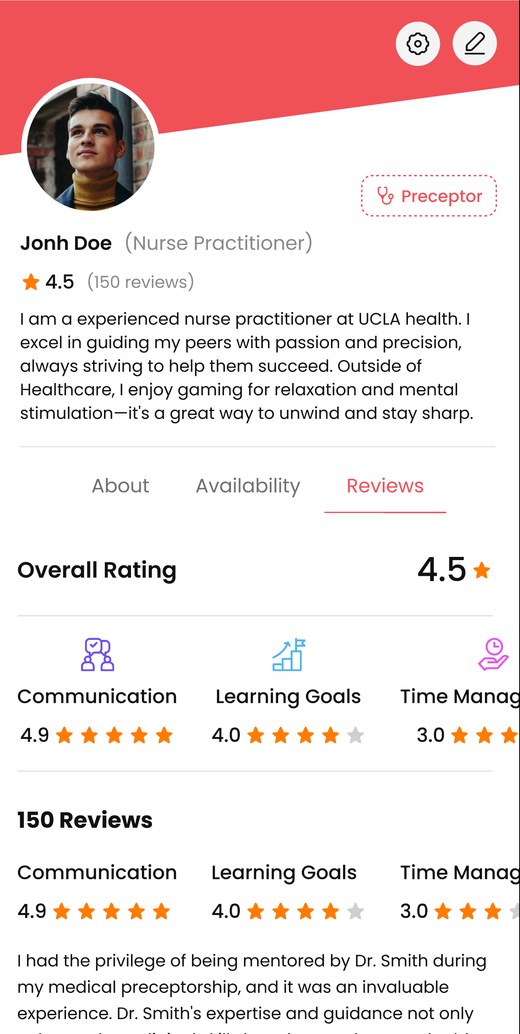
To maximize the benefits of academic-health system partnerships, it’s essential to provide coordinated support for preceptors. This involves streamlining onboarding, verifying credentials, and simplifying stipend processing.
Streamlining Preceptor Onboarding
Efficient preceptor onboarding is crucial for maintaining a steady flow of clinical placements. Streamlining this process ensures that preceptors can focus on mentoring students without being bogged down by administrative tasks. By reducing paperwork and providing clear guidelines, onboarding becomes quicker and less stressful for both preceptors and institutions. This efficiency allows more students to be placed in clinical settings promptly.
Effective Credential Verification
Verifying preceptor credentials is a vital step in ensuring quality clinical training. A streamlined credential verification process helps maintain high standards without unnecessary delays. Using technology to automate parts of this process can reduce errors and speed up verification. This ensures that qualified preceptors are matched with students quickly, keeping the placement process moving smoothly.
Simplifying Stipend Processing
Preceptors deserve fair compensation for their time and expertise. Simplifying stipend processing ensures that they are paid promptly and accurately. By automating stipend disbursement and providing transparent tracking, institutions can maintain trust with their preceptors. This not only encourages more clinicians to become preceptors but also enhances the overall satisfaction of those involved.
Inviting Clinicians and Institutions

Encouraging more clinicians to become preceptors and inviting institutions to participate in partnerships can help expand clinical education capacity.
Benefits of Preceptor Matching
Effective preceptor matching is crucial for successful clinical placements. By using data-driven matching systems, institutions can ensure that students are paired with preceptors who best fit their educational needs. This approach benefits everyone involved: students receive quality training, preceptors engage in meaningful teaching experiences, and institutions maintain a high standard of education.
Engaging with CAUHEC Connect
CAUHEC Connect is an innovative platform designed to facilitate these partnerships and streamline the clinical placement process. By connecting academic institutions with verified preceptors, the platform helps manage credential verification, student-preceptor matching, and stipend processing. Institutions can use CAUHEC Connect to expand their placement capacity and improve their training programs.
Exploring Pilot Opportunities
Pilot programs offer institutions a chance to test new approaches in clinical education. By participating in pilot programs, institutions can explore innovative solutions like CAUHEC Connect to improve their placement processes and outcomes. These programs provide valuable data and insights that can be used to refine and enhance clinical education strategies.
Frequently Asked Questions
What is the role of academic-health system partnerships in clinical placements?
Academic-health system partnerships play a crucial role in expanding clinical placement access by pooling resources and creating more opportunities for students. These collaborations also enhance workforce development by aligning educational programs with industry needs.
How does CAUHEC Connect support clinical placements?
CAUHEC Connect facilitates the clinical placement process by connecting academic institutions with verified preceptors. It manages credential verification, student-preceptor matching, and stipend processing, helping institutions expand their placement capacity.
Why is coordinated preceptor support important?
Coordinated preceptor support is essential for maintaining a steady flow of clinical placements. Streamlining onboarding, verifying credentials, and simplifying stipend processing ensures that preceptors can focus on mentoring students effectively.
Leave a Reply